
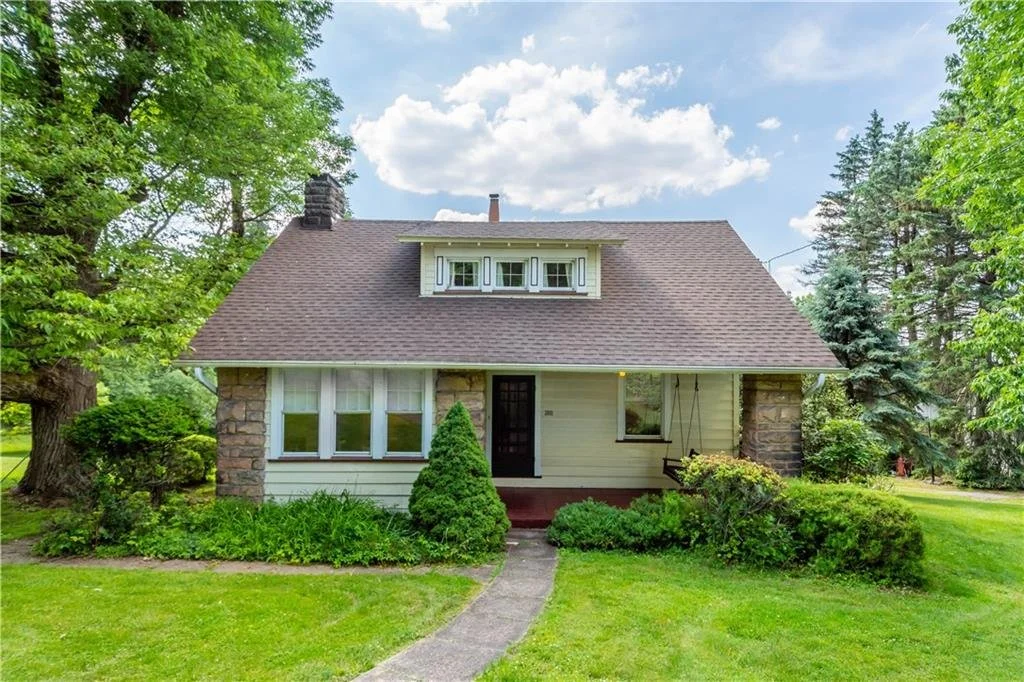
Moving houses is an exciting life event, but it often gets a bad rap. In fact, it’s often ranked more stressful than divorce, having children, and even job loss. And it only becomes even more complicated when you try to juggle buying and selling a home at the same time.
Still, this is a time for excitement! If you’re finally becoming a “move-up” buyer, other factors have evolved in your life. A few examples:
Your family has grown, and you now need a bigger home.
You’ve been promoted at work, and now you can afford a nicer home.
You’ve gotten a better job across town, and you want to live closer to the office.
Whatever your reason might be, congratulations!
Read on to learn how to make this transition as stress-free as possible.
What We’ve Learned About Buying And Selling At the Same Time
We get it: If you don’t live in the real estate industry every day, these processes can feel confusing—even overwhelming.
Here are a few tips for staying on track (while also keeping your mind at ease):
1. Decide Where You Want to Land
First question to consider: What kind of house do you want to move into?
Everyone has a different reason for moving, and your real estate agent can only do so much. Yes, we can (and do) advise on marketing trends, updates, and strategies, but only you can decide how you want to live your life.
A few examples:
If being able to go for a quick and easy jog or walk the dog is a priority, living in the North Hills—where there are few sidewalks—probably isn’t a good idea.
If being close to trendy upscale bars and restaurants is a priority, you should probably live within the Pittsburgh city limits.
If you travel around the country for work, you should probably think about living closer to the airport.
But there are tradeoffs in every scenario.
The North Hills offer plenty of great parks.
Cranberry and other areas have great restaurants.
You might prefer being closer to town when you’re not on the road.
Consider all of the variables before you enter the market, and try to develop a clear idea of what you want—even though you should still keep an open mind.
In this simultaneous buying-and-selling process, selling is going to be much easier for you and your agent. After all, 99% of sellers simply want:
The highest price
The smallest hassle
The quickest speed
To sell quickly, your house should be clean, staged well, photographed, and listed—all things your agent can either spearhead or assist with.
Related Reading: 7 Tips For Staging Your Home
2. Tackle the Finances and Living Arrangements
Once you’ve decided what you want, it’s time to tackle the biggest question of all:
How am I going to afford this?
Buying a home isn’t cheap—especially when you’re already paying for a mortgage.
Fortunately, you’re not the first person to face this problem. Here’s how many of our clients tackle it:
1. Bridge Loans - Bridge loans were built with this exact scenario in mind. A bridge loan lets you make a down payment on the new house, and you don’t have to worry about paying it back until your old house sells.
Of course, there is some fine print to be mindful of, and this option can become tricky if your current home doesn’t sell.
But this can be an attractive, affordable option for many move-up buyers.
2. Line of Credit - If you don’t qualify for a bridge loan, you might consider using a line of credit to make your new down payment.
3. Moving In With Family - No one relishes the idea of moving back in with Mom and Dad (or other family members), but this can be an affordable option if you need temporary living quarters when your house sells and you’re still looking for a new place to live.
4. Short-Term Rental - If you have more cash on hand, you can avoid moving back in with your folks and instead find a short-term rental where you can live until you finish purchasing your new home.
Remember: Every option has its own layer of cost or inconvenience. The question becomes: Which is the most beneficial and least painful?
3. Get As Much Value As Possible
If you’re moving into a bigger or more expensive home, you should work to get as much value out of your home as possible to help offset the increase in prices.
A few strategies you can use:
1. Get As Much Equity As Possible - Before listing your home, take a moment to understand how much equity you currently have. Equity is the difference between what your home is worth and what you still owe on your mortgage.
If you’ve owned your home for several years, there’s a good chance rising property values have worked in your favor. A comparative market analysis (CMA) from your real estate agent can help you estimate your home’s current value and determine how much money you may be able to roll into your next purchase.
Even a modest increase in equity can make a big difference. It could mean a larger down payment on your next home, lower monthly mortgage payments, or simply more flexibility during negotiations.
2. Sell For As High As Possible - While equity reflects what you’ve built over time, the sale price determines how much of that value you actually capture.
To maximize your selling price, your home should be positioned to stand out in the market. This often includes professional photography, thoughtful staging, minor repairs, and a strategic pricing plan designed to attract strong buyer interest.
In many cases, generating multiple offers can create competitive tension that pushes the final price higher. A skilled real estate agent will help you balance price, timing, and market exposure to achieve the best possible outcome.
3. Rent Your Old Property - Instead of selling their old home, some people decide to rent their old home.
While becoming a landlord isn’t right for everyone, it can be a lucrative investment decision.
The 1% Rule for renting a home says you should charge 1% over the home’s overall price per month for rent. So, if your home was originally $250,000, you should set your rent at $2,500/month.
While you may need to adjust your price based on nearby rentals to remain competitive, the 1% Rule can help you return a profit each year—even when unexpected maintenance costs pop up.
Related Reading: Becoming A Pittsburgh Landlord: How to Rent Property
Final Thoughts: Know This Is The Right Journey For You
Moving is exciting, but it can also be stressful.
Before you embark on a hard, expensive journey, we want to make sure it’s worth the effort.
Consider why you’d like to move into another home, and remember: Moving isn’t always the right answer. As much as we’d love to work with you, sometimes it’s better to make the most of where you are.
But if you are ready, contact us. We’ll work with you every step of the way—from crawling through attics during inspection to staging and showing your home.
We can’t wait to get started!
Cheers,
J&T