
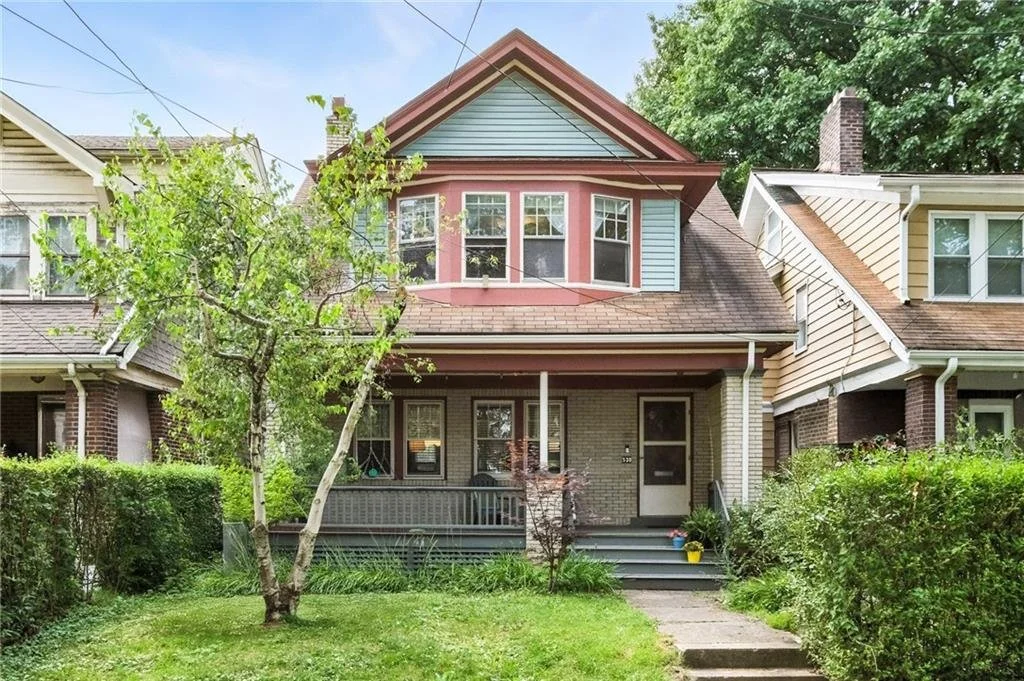
Selling your home is an exciting life transition. Yes, it’s a complex, multi-step process, but it’s also a moment for potential growth.
In selling your home, you unlock new opportunities in life—a chance to plant new roots in a new neighborhood full of potential for you and your family.
We’ve discussed how to get your home ready to sell from a cosmetic standpoint in the past, but we haven’t quite touched on the strategy to unlock as much value as possible.
Read on to learn more—so you don’t commit one of the cardinal mistakes that could kill the sale of your home.
7 Steps for Preparing Your Home for Sale
Most people think of moving as a stressful period. But when it’s done correctly, selling your home can be an exciting, strategic decision that creates new value and drives more money into your pocket.
Here’s how to prepare your house to sell as quickly, efficiently, and effectively as possible so you can race through the home selling timeline:
1. Make A Copy of Your Key
We’ll start off with an easy one: Head to your nearest hardware store and make a copy of your key.
Buyers and their agents will need to enter your home when you’re not there, so a spare key is essential.
This is an easy step, so knock it out first!
2. Hold Your Planning Session
We always hold a detailed planning session with our clients. This is an opportunity for us to get on the same page.
During this meeting, we’ll discuss:
Your goals and timeline for selling your home. This is especially important if you need to find a new place to live, which we’ll discuss in Step 4.
Any necessary paperwork. There’s usually a nice stack of papers to sort through in a real estate transaction!
The current market analysis for your home—especially when it comes to how much similar homes in your neighborhood are selling for.
Strategies for selling your home at the best price possible.
Your technology options. At Compass, we have a robust seller’s portal that gives strategic insights and data points into your home!
This is also an opportunity for you to ask any questions or express any concerns—and to get immediate input from your agent.
3. Create Your Design Board—And Think About Your House As A Product
During your planning session, we’ll stop thinking about your house as a home and start thinking about it as a product—one you want to sell for the highest price possible.
For example, do you want to position your home as a fixer-upper (which could make it attractive to eager investors who want to buy quickly) or as an elegant residence that’ll appeal to wealthy homebuyers (which could increase the listing price)?
When you know what you’re selling, you also know what you should and shouldn’t repair or replace (which prepares us for Step 5).
To assist, we create Pinterest boards with our clients. We’ll establish an entire look and feel for inspiration, and we’ll use that to guide the touch-ups, artwork, and staging decisions we make for your home.
4. Decide Whether You’re Staying Or Not
Here’s a big question: Do you plan to live in your home while you’re working to sell it?
There’s no wrong answer here, but there are a few pros and cons to each option:
Live In Your Home - Pro: You get more time to find a new home.
Live In Your Home - Con: Potential buyers will walk through your home with all of your stuff there, which can feel like an invasion of privacy.
Live Elsewhere - Pro: You don’t have to worry about potential buyers walking through your private residence.
Live Elsewhere - Con: You’ll have to find a new place to live sooner. That means you’ll be responsible for any outstanding mortgage payments on your home until you finally sell it, so you could be responsible for a second mortgage (or rent) until you close.
If you’re having trouble weighing your options, talk to your agent!
If you do stick around, we often recommend consulting with a professional organizer. They’ll help you declutter your home so it’s still functional and presentable to potential buyers—which will also get it camera-ready for your photographer.
Don’t worry, we can introduce you to a great consultant!
Related Reading: 7 Tips for Staging Your Home
5. Make Any Last-Minute Renovations
Remember your design board? Now’s the time to put it into action. Based on the decisions you and your agent make together, you may decide to:
Paint certain walls
Replace flooring
Replace plumbing fixtures
Replace blinds or curtains
Hang art work that fits your desired aesthetic
The trick here is to maximize your ROI, so talk to your agent for an analysis on each potential project.
6. Prep for Photography
Your photographer is essential for capturing the style, mood, and vibe of your home, and they need both a strong eye and excellent editing skills.
We recommend choosing the best photographer for your home based on what features need to be accentuated. Usually we’re most concerned with two factors:
Architecture - All houses have nuance, and a great photographer knows which details to highlight and which ones to overlook.
Drone Footage - If you need aerial photography to show off specific features of the property, pick a photographer who has the proper gear.
Of course, we can help you find the best photographer for your home. We’ve cultivated a trusted network of talented real estate photographers, and they’ll put your home in the best light—literally and figuratively.
7. Book Your Pre-Inspection—If You Want It
Pre-inspections are growing in popularity, and they ultimately serve two purposes:
They help you avoid any unpleasant surprises when a buyer does their due diligence.
They give you an opportunity to fix any major issues before buyers put in an offer.
But even though pre-inspections are becoming more common, not all sellers like them.
Pre-inspections can uncover issues you’re not quite ready to deal with, so electing not to conduct a pre-inspection gives you an opportunity to revisit those problems during your negotiations with buyers (assuming any issues pop up during their own inspections).
There’s no right or wrong answer here; it all comes down to your strategy and comfort level.
Related Reading: Understanding the Home Inspection: What to Expect As A Buyer or Seller
Find Help Selling Your Home
If you’re thinking about moving, contact us. We’ll partner with you to ensure you navigate these tricky waters with the best possible outcome.
Cheers,
Julie & Ted